Let’s start off with some context perhaps, but also let me drop in this nugget from the FCC so I can link back to it. And let’s keep in mind that I originally set out to discuss this is in relation to broadcasting on TV & radio, but on examination I realize it plays a part in how society views words, language, etc. for an entire generation or two or three or forever cyclically.
For the purposes of this article specifically I am really referring to George Carlin’s “7 Dirty Words” but of course on looking into it, the rabbit hole got heated, and here we are.
The “7 banned words” are famous English-language profanities first listed in George Carlin’s 1972 monologue. They are: shit, piss, fuck, cunt, cocksucker, motherfucker, and tits. These also became one of the funniest bits called “Family Reunion” on their live album in 1999. Somehow my bestie got her hands on a copy and we would listen to it secretly so our parents didn’t take the CD away.
“Federal law prohibits obscene, indecent and profane content from being broadcast on the radio or TV.
That may seem clear enough, but determining what obscene, indecent and profane mean can be difficult, depending on who you talk to.
In the Supreme Court’s 1964 landmark case on obscenity and pornography, Justice Stewart Potter famously wrote: “I know it when I see it.” That case still influences FCC rules today, and complaints from the public about broadcasting objectionable content drive the enforcement of those rules.
In other words, if you “know it when you see it” and find it objectionable, you can tell the FCC and ask us to check into it.
Deciding what’s obscene, indecent or profane
Each type of content has a distinct definition:
Obscene content does not have protection by the First Amendment. For content to be ruled obscene, it must meet a three-pronged test established by the Supreme Court: It must appeal to an average person’s prurient interest; depict or describe sexual conduct in a “patently offensive” way; and, taken as a whole, lack serious literary, artistic, political or scientific value. Indecent content portrays sexual or excretory organs or activities in a way that is patently offensive but does not meet the three-prong test for obscenity.
Profane content includes “grossly offensive” language that is considered a public nuisance. Factors in determining how FCC rules apply include the specific nature of the content, the time of day it was broadcast and the context in which the broadcast took place. Broadcasting obscene content is prohibited by law at all times of the day. Indecent and profane content are prohibited on broadcast TV and radio between 6 a.m. and 10 p.m., when there is a reasonable risk that children may be in the audience.”
THERE IS SO MUCH FOR ME TO PROCESS HERE BUT I DIGRESS. just kidding. that is not a word for me usually. However I do have a 4 year old who has been using the word “shit” and “fuck” or “fuckin” appropriately since she started speaking.
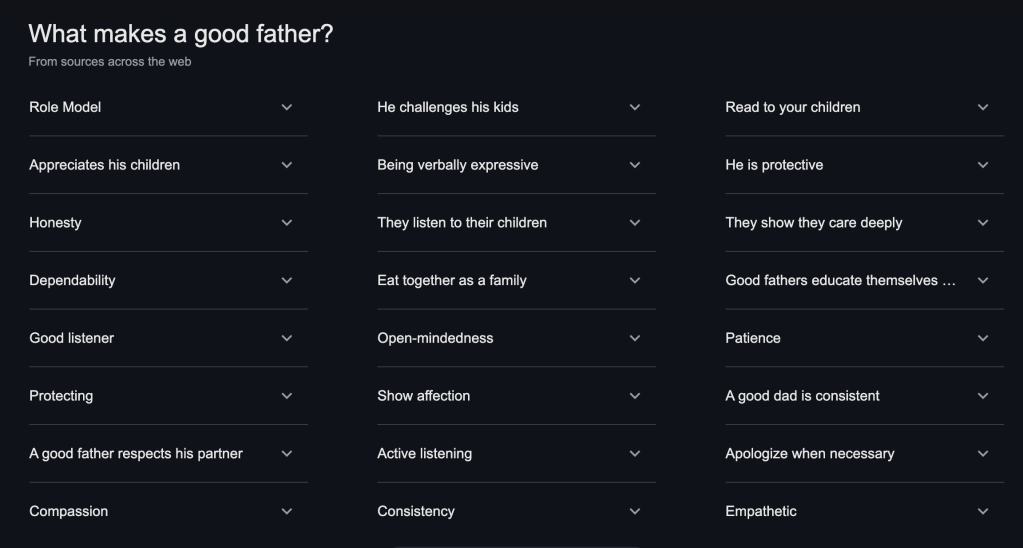
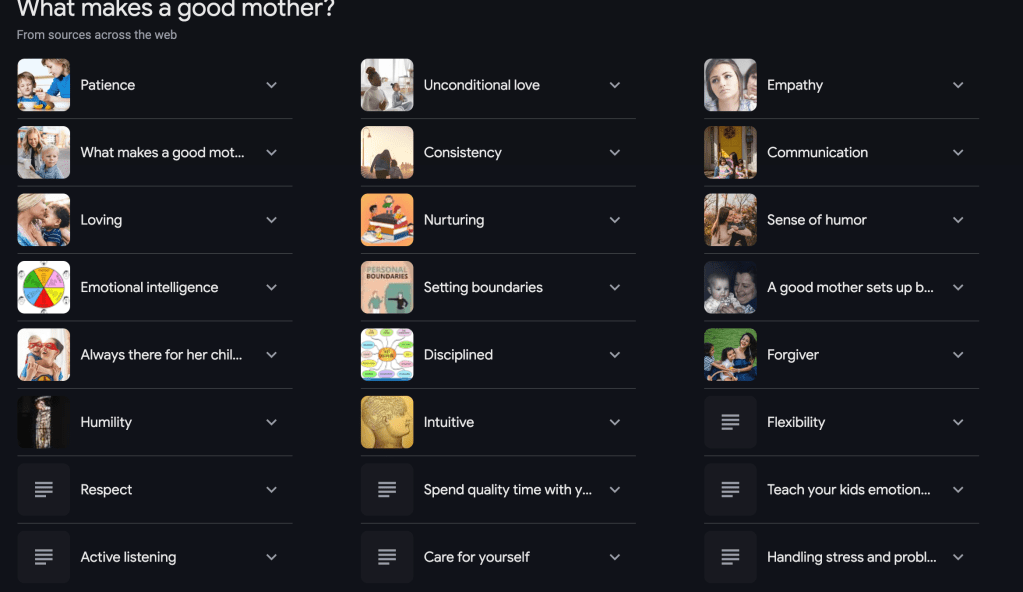
and furthermore as I went to get this draft posted so I could continue the research I gagged at the updated google search results.
Some things we will explore in this article or maybe series:
Federal Government Funding & Communications: The current federal administration has circulated agency memos—compiled by organizations like PEN America—that flag over 350+ words for removal from official websites and grant proposals. Restricted or discouraged terms include “diversity,” “equity,” “inclusion,” “science-based,” “climate change,” “abortion,” and “Native American.”
Corporate & Everyday Jargon: In its tongue-in-cheek compilation of overused, misused, or useless language, Lake Superior State University officially banished 2026 slang and buzzwords like “demure,” “cooked,” “massive,” “6-7,” and “incentivize.”
Educational Materials: Organizations tracking educational censorship, such as the American Federation of Teachers, have identified ongoing guidelines that restrict specific offensive, trivial, or ethnocentric terms (e.g., banning “showman” as sexist or “hordes” for immigrants).
This post was last updated July 8 2026. BRB.